Professor for Psychology of Communication and Media Use
Friedrich Schiller University Jena
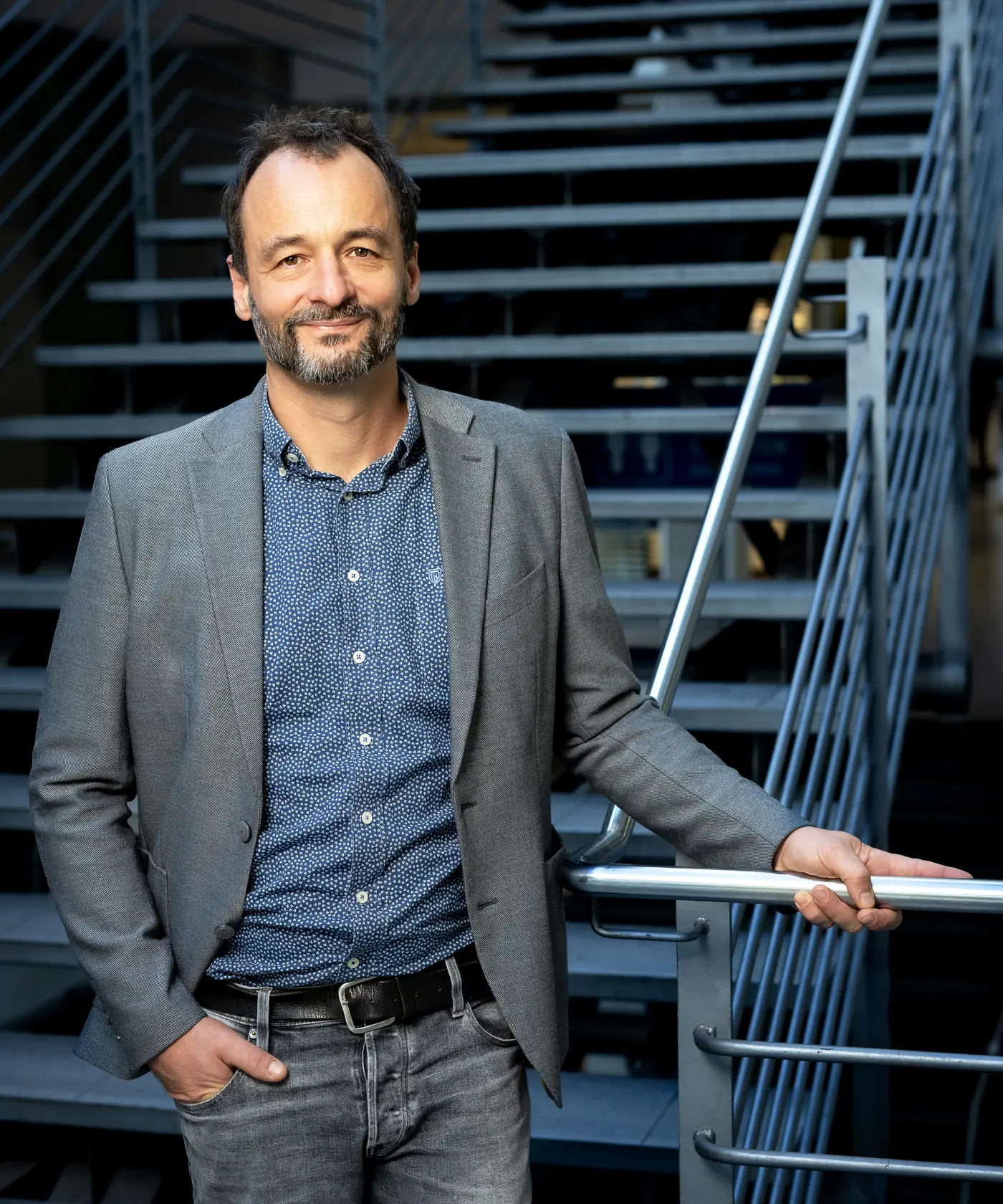
Tobias Rothmund
How do people develop, evaluate and spread imaginaries about politics and society – and what does this mean for the public sphere in democracies?
Tobias Rothmund is Professor for Psychology of Communication and Media Use at Friedrich Schiller University Jena, where he is the director of KomRex (Centre for Research on Right-Wing Extremism, Democracy Education and Societal Integration). He is a Principal Investigator in the Cluster of Excellence Imaginamics at the University of Jena and a member of the distributed DFG Research Unit Beyond Cracy.
His research combines social psychological and communication science perspectives on political thinking, feeling and behaviour. His work focuses on differing conceptions of social justice, political biases and ideologies, misinformation and conspiracy myths, as well as political radicalisation and the dynamics of polarisation.



Research projects
All projects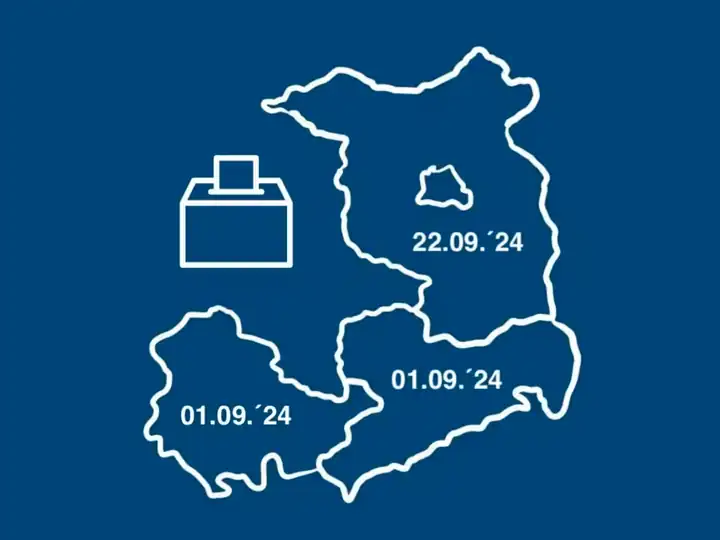
EGSES24 – 2024 East German State Election Study
A longitudinal survey of 1,200 people in Thuringia, Saxony and Brandenburg before and after the 2024 state elections – on the causes and consequences of voting behaviour.
Funding: Free State of Thuringia and Volkswagen Foundation
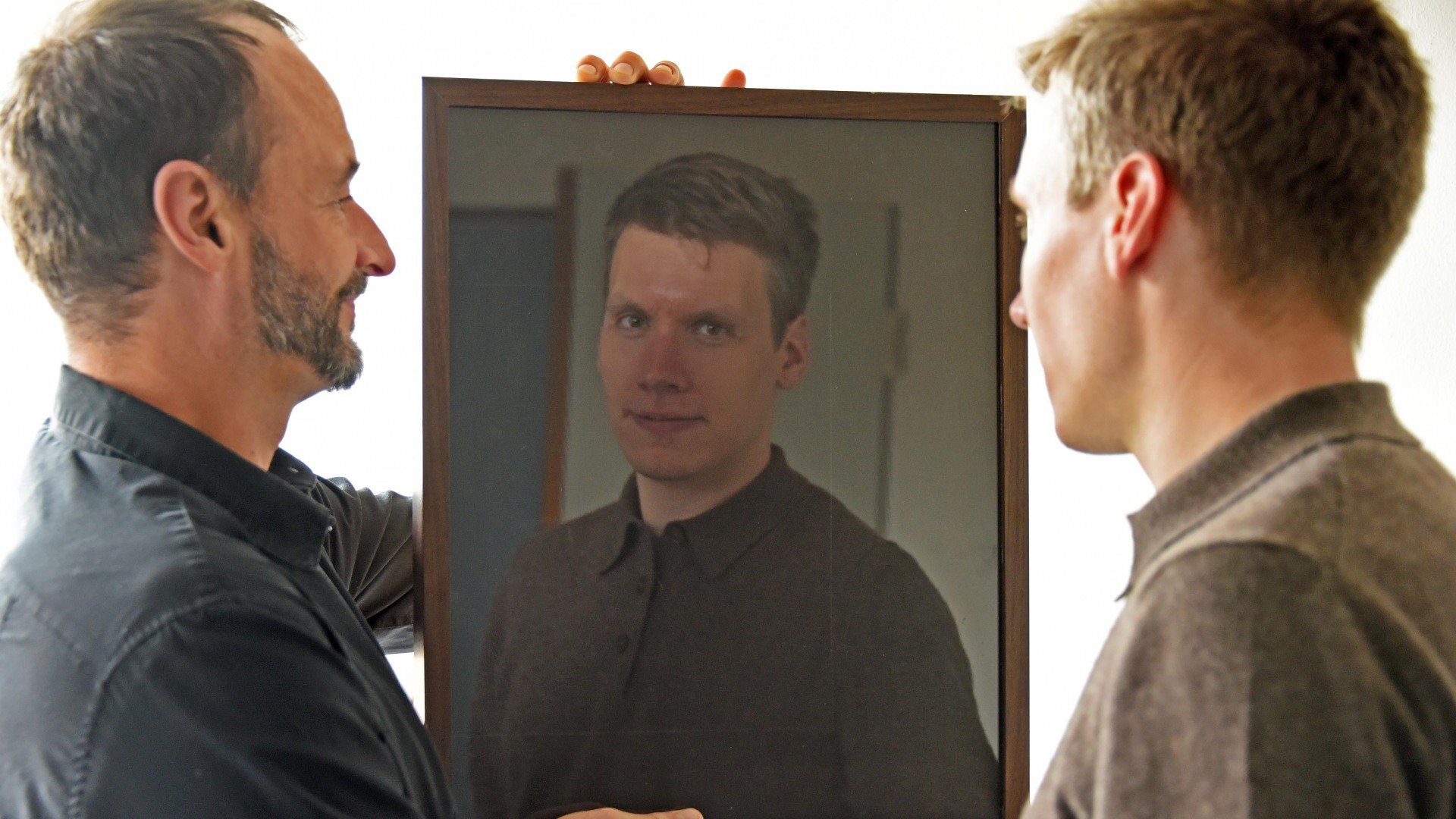
SensipoV – Raising awareness of political bias
How well do people recognise their own and others' political bias when dealing with scientific evidence – and can raising awareness of it reduce susceptibility to misinformation?
Funding: Federal Ministry of Research, Technology and Space (BMFTR)

ARAPiS – International students and the Thuringian labour market
What determines whether international graduates of the University of Jena find work and stay in Thuringia? An interdisciplinary project on labour market transitions, employers' recruitment strategies and perceived barriers.
Funding: Thuringian Ministry for Economic Affairs, Science and Digital Society
Selected publications
All publicationsIdeological differences in harm-based moral judgments of toxic speech
Political Psychology, in press
Open accessIdeologically biased evaluation of evidence – A signal-detection approach to measure individual differences
PLoS ONE, 21(9), e0357011
Link Open accessTowards a typology of online users in response to incivility: A latent profile analysis across six countries
Cyberpsychology: Journal of Psychosocial Research on Cyberspace, 20(3), Article 1
Link Open access
In the media
All appearancesTV / VideoDE
Warum Menschen die gleichen Nachrichten unterschiedlich wahrnehmen
MDR – MEDIEN360G
Wie wirken Bilder und Medienberichte von politischen Ereignissen und Protesten auf unser Denken? Im Video-Interview zu den Protesten rund um den AfD-Parteitag in Erfurt erklärt Tobias Rothmund, warum viele Menschen vor allem das sehen, was sie ohnehin glauben.
Watch video · 29 Min MDR – MEDIEN360G (opens external site)Interview / printDEPaywall
Grausame Videos auf Social Media: Wenn Nachrichten nicht auszuhalten sind
Süddeutsche Zeitung – jetzt
Kriege, Gewalt und verstörende Bilder erreichen uns in sozialen Medien oft ungefiltert. Im Interview mit Sophie Kobel geht es darum, wie man informiert bleibt, ohne sich zu überfordern – und warum ein Spiel wie Tetris dabei helfen kann.
Podcast / radioDE
Wie man News konsumiert, ohne schlechte Laune zu bekommen
MDR AKTUELL – Das Interview
Laut einer Studie meidet mehr als ein Drittel der Menschen in Deutschland Nachrichten. Ein Gespräch über die Gründe – und darüber, wie man informiert bleibt, ohne sich zu überfordern.
Listen · 4 Min MDR AKTUELL – Das Interview (opens external site)